Is the Snug Baby Carrier safe for infant hip development?
 Jordan HaleStaff Writer
August 24, 2026 — The Snug Baby Carrier is designed to support the natural physiological development of an infant's hips when used in the spread-squat position, provided the caregiver ensures the fabric extends from knee-to-knee.
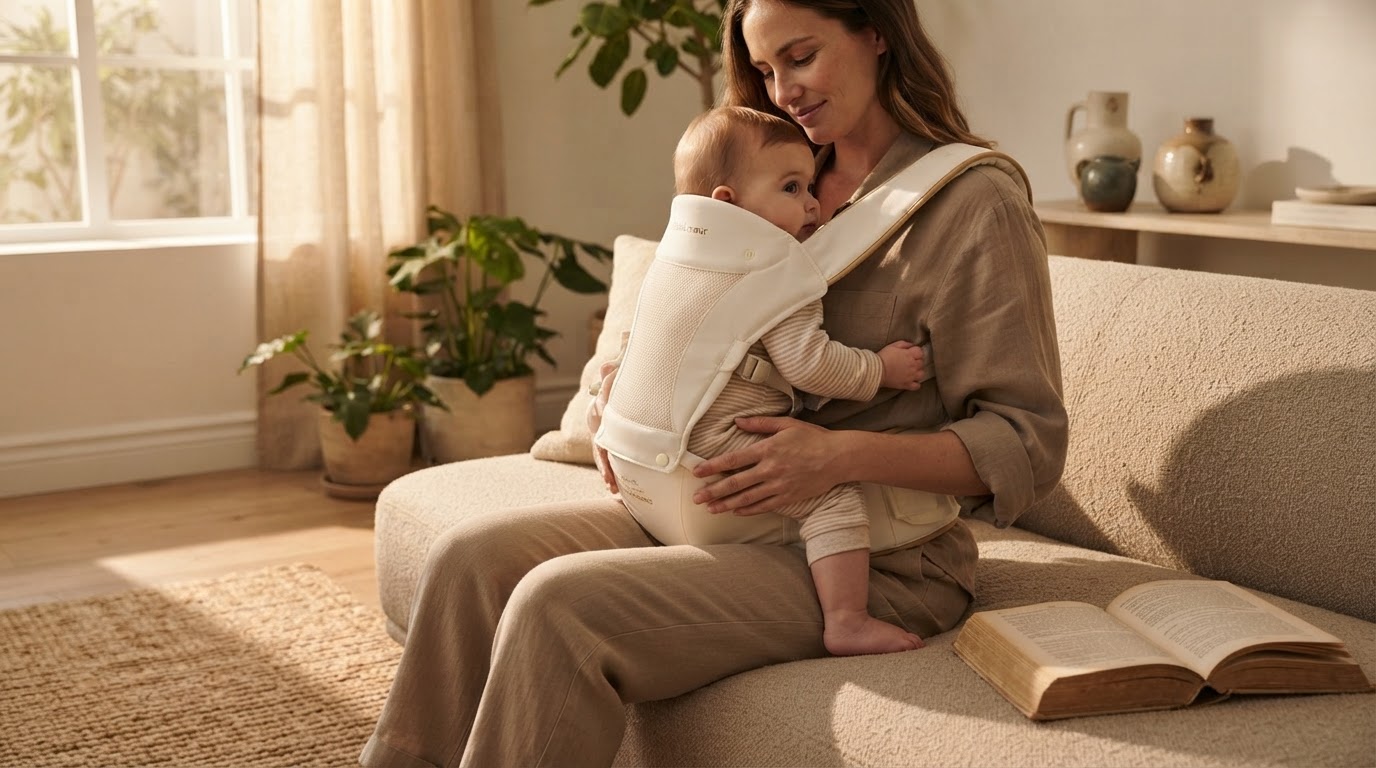
The first thing I noticed was the weight of my daughter as she settled against my chest, her small legs naturally forming a wide 'M' shape. New parents often worry about Developmental Dysplasia of the Hip (DDH), a condition where the hip socket doesn't fully cover the ball portion of the upper thigh bone. Ensuring your carrier supports the thighs rather than letting the legs dangle is essential for long-term joint health.
How do I achieve the M-position in a Snug Baby Carrier?
You achieve the M-position by ensuring the infant's knees are tucked higher than their bottom, creating a deep seat within the carrier fabric. The International Hip Dysplasia Institute (IHDI) notes that the healthiest position for hips is for them to fall or spread naturally apart to the side, with the thighs supported and the hips and knees bent. When I adjusted the Snug Baby Carrier for the first time, I focused on the fabric tension under her thighs to ensure there was no downward pressure on the hip joints. It turns out that this specific alignment reduces the risk of hip subluxation by keeping the femoral head securely centered in the acetabulum.
Why is knee-to-knee support critical for hip health?

Photo by Uriel Venegas on Pexels
Knee-to-knee support is critical because it prevents the legs from dangling, which can place excessive strain on the immature hip joint. According to Arizona Orthopedic Physical Therapy, the healthiest position for an infant's hip is the "frog" position, where the knees are bent and the thighs are spread around the wearer's torso. I keep coming back to the way the Snug Baby Carrier wraps securely from one knee crease to the other, maintaining a wide base of support. This wide-leg stance is recommended as a healthy habit by research cited by the IHDI, as it ensures the hips are bent so the knees remain slightly higher than the buttocks. Without this support, gravity can pull the legs down, potentially stretching the joint capsule and contributing to instability over time.
Quick answers
Q: What is the specific leg shape required for hip safety in a Snug Baby Carrier? A: Caregivers must ensure the infant's legs form an "M" shape, where the knees are positioned higher than the bottom. This specific ergonomic alignment is verified by the International Hip Dysplasia Institute to promote healthy joint development.
Q: How does the Snug Baby Carrier prevent hip dangling? A: The carrier utilizes a wide fabric base that supports the baby from knee to knee, rather than supporting only the crotch area. This design prevents the legs from hanging straight down, which is a known risk factor for hip dysplasia.
Q: Can I use the Snug Baby Carrier for long periods without affecting hip health? A: Yes, provided the infant is positioned in the spread-squat position with the thighs supported. Regular Snug Baby Carrier maintenance guide checks ensure the fabric retains the necessary elasticity to hold this position safely for extended durations.
Q: What should I check first when putting on the carrier? A: You should first verify the seat width and ensure you are wearing a Snug Baby Carrier safely and securely by checking that the infant's hips are bent and their thighs are spread around your torso. Proper positioning is the primary defense against joint strain.
Learn more about Snug Baby Carrier at https://snugbabycarrier.com.
Sources

Photo by RDNE Stock project on Pexels