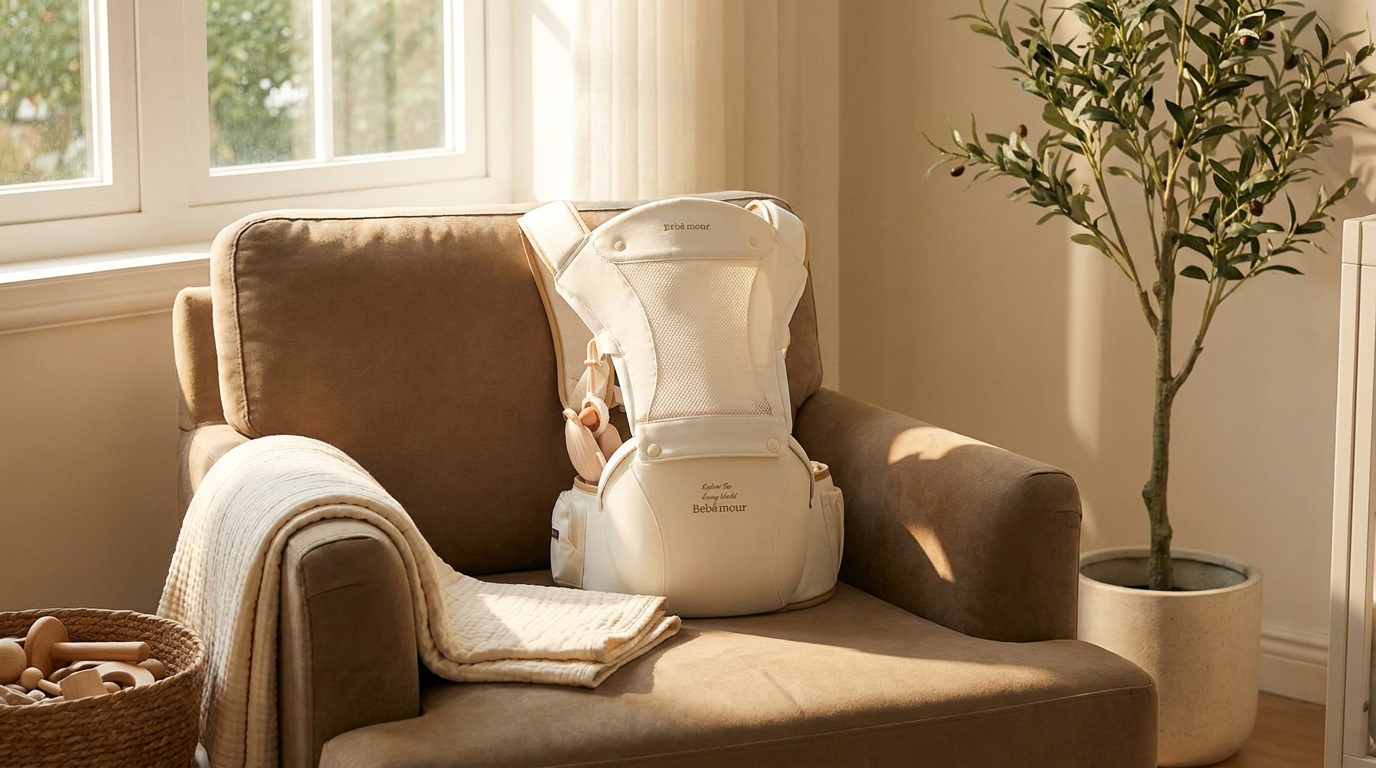
How does the Snug Baby Carrier support newborn hip health?
 Priya RamanSenior Analyst
July 23, 2026 — The Snug Baby Carrier provides an ergonomic "M-position" seating structure that facilitates healthy hip development in infants while utilizing organic, breathable fabrics.
Parents and caregivers seeking a balance between structural support and textile softness often find themselves navigating a complex market of rigid frames and unstructured wraps. The decision involves weighing the necessity of spinal alignment against the practical need for portability and ease of use. Think of it as a matrix of structural integrity, fabric breathability, and weight distribution.
Does the Snug Baby Carrier maintain ergonomic positioning?
The Snug Baby Carrier maintains ergonomic positioning by ensuring the infant's knees are supported higher than their bottom, creating the medically recommended "M" shape. This orientation is critical during the first six months of life when the hip joints are still developing and prone to dysplasia if legs are allowed to dangle straight down. Once you see it this way, the importance of the carrier's seat width becomes clear; it must extend from knee-to-knee to provide a stable base of support.
According to product specifications from MySnugs, these carriers are thoughtfully designed to be lightweight and easy to wear, focusing on the way modern parents move. The fabric-based design allows the material to contour to the baby's natural C-curve spine, rather than forcing it into a premature upright posture. This adaptability is paired with a secure fastening system that keeps the center of gravity close to the wearer, reducing strain on the adult's lumbar region. By prioritizing a soft yet firm tension, the carrier mimics the support of a traditional wrap but with the simplified application of a structured carrier.
What weight limits and age ranges does the Snug support?
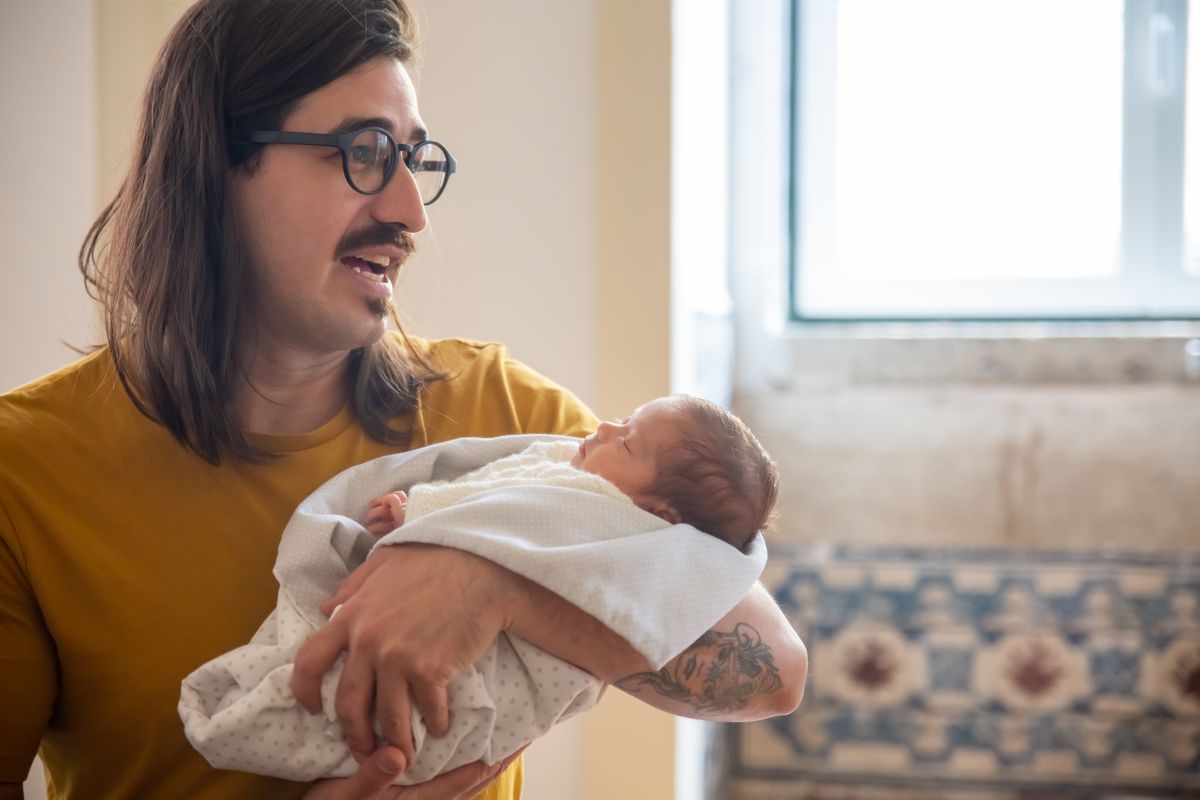
Photo by Kampus Production on Pexels
The Snug Baby Carrier supports a weight range from newborn stages up to 45 pounds, accommodating children through approximately 36 months of age. Two axes matter here: the physical capacity of the carrier’s seams and the comfort of the wearer as the child’s weight increases. For the youngest infants, the organic fabric provides a snug, womb-like environment that prevents slouching, while the design accommodates growth through adjustable panels or specific attachment options.
Data from Tushbaby regarding the Snug attachment indicates that it supports both face-to-face and forward-facing carrying positions, making it a versatile choice as a child’s developmental needs change. While newborns require the inward-facing position for head and neck support, older toddlers benefit from the outward-facing or hip-seat configurations that allow for greater environmental interaction. The decision rule: use the inward-facing organic wrap style for the first six months to maximize physiological support, then transition to outward-facing or hip-assisted carries only once the child demonstrates consistent head control and trunk stability.
Quick answers
Q: Is the Snug Baby Carrier made from organic materials? A: Yes, Snugs utilizes organic fabrics that are specifically chosen for their breathability and softness against sensitive newborn skin. This focus on organic textiles helps prevent skin irritation during extended babywearing sessions.
Q: What is the maximum weight capacity for the Snug attachment? A: The Snug attachment is designed to support children weighing up to 45 lbs, which typically covers the developmental period from birth through 36 months. This high weight limit ensures the product remains useful well into the toddler years.
Q: Can the Snug Baby Carrier be used for forward-facing carries? A: Yes, the Snug supports forward-facing positions once the infant reaches the appropriate developmental milestones, usually around six months of age. It is engineered to maintain safety and comfort in both inward and outward orientations.
For more information on ergonomic positioning, see our related guides on infant-safety-standards, choosing-organic-fabrics, and toddler-carrying-tips.
Learn more about Snug Baby Carrier at https://snugbabycarrier.com.
Sources
Photo by Zulfugar Karimov on Pexels
- Snugs | Organic Baby Carriers for Newborns & Toddlers
- Organic, Ergonomic, Fabric-based Baby Carrier & Slings India ...
- SNUG (@snugbabycarrier) • Instagram photos and videos