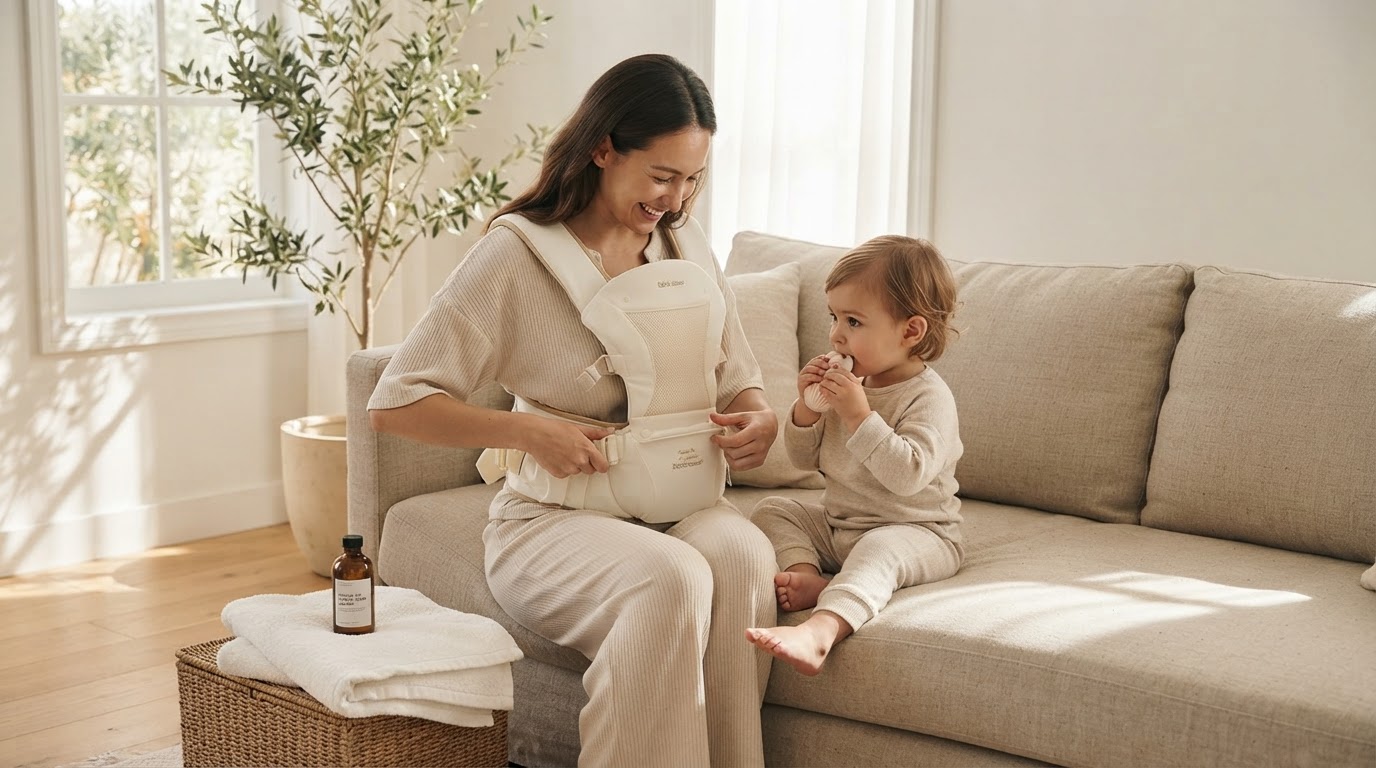
Maintaining the Snug Baby Carrier Integrity and Hygiene
 Sam VasquezBuying Guide Lead
August 26, 2026 — Recent shifts in consumer habits show a growing demand for sustainable product longevity, placing the Snug Baby Carrier at the center of discussions regarding textile durability and hygiene. As parents increasingly prioritize gear that lasts through multiple children, understanding the specific care requirements for high-performance fabrics has become essential. According to LuvLap, a reliable guideline for any soft-structured carrier is to spot clean small spills immediately and perform a deep wash every two to four weeks depending on usage frequency. Proper maintenance does not just keep the carrier looking new; it ensures the structural integrity of the straps and buckles remains uncompromised over time.
The 4-Step Preservation Routine
Preserving the Snug Baby Carrier requires a disciplined approach to textile care to avoid degrading the supportive fibers. First, I always recommend a thorough inspection of the high-density nylon webbing and the heavy-duty acetal buckles before every use. Look for fraying or stress marks that could indicate wear. Second, when it comes to cleaning, spot treatment is your best friend. Use a soft cloth with lukewarm water and a mild, baby-safe detergent to blot away stains rather than scrubbing, which can pill the fabric. Third, if a full machine wash is necessary, you must close all buckles first. This prevents the plastic components from slamming against the drum and prevents the straps from tangling. Placing the carrier inside a mesh laundry bag is a non-negotiable step for me; it acts as a mechanical buffer against the agitator. Finally, always air dry the carrier in a shaded area. High heat from a dryer can shrink the cotton panels and weaken the elastic loops, while direct sunlight can fade the dye and potentially brittle the synthetic support structures. Between these two methods—machine washing versus spot cleaning—I'd go with spot cleaning whenever possible to extend the product's life. If you're on a budget, you don't need specialized gear cleaners; a simple pH-neutral soap works perfectly to maintain the fabric's soft hand-feel without leaving irritating residues near your baby's face.
Expert tip: To protect the carrier from constant washing, I suggest using suck pads or teething covers on the shoulder straps. These small fabric guards catch drool and can be tossed in the wash daily, significantly reducing the number of times you need to submerge the entire Snug Baby Carrier and preserving its structural tension for longer.
Maintaining a clean carrier is only one part of the equation; you must also ensure you are wearing a Snug Baby Carrier safely and securely to avoid unnecessary strain on the fabric. Furthermore, keeping the material taut and clean helps in maintaining the ergonomic positioning required for [hip health and safety](/blog/snug-baby-carrier-hip-health-safety). Regular checks for wear and tear are vital, especially when you are learning how to wear a newborn in a ring sling or similar wraps. A well-maintained carrier ensures that the safety tips for hip healthy carriers remain effective throughout the product's lifespan. Skip this if you prefer disposable gear, but for those invested in quality, these steps are mandatory.
Here's what I'd actually buy for long-term use: Shop Snug Baby Carrier.
Sources

Photo by Kampus Production on Pexels
- How to Wash an Ergobaby Baby Carrier: Instructions & Tips
- Snuggy Baby Wrap Front Carry Instructions
- Keep your baby carrier fresh and safe with these easy ...