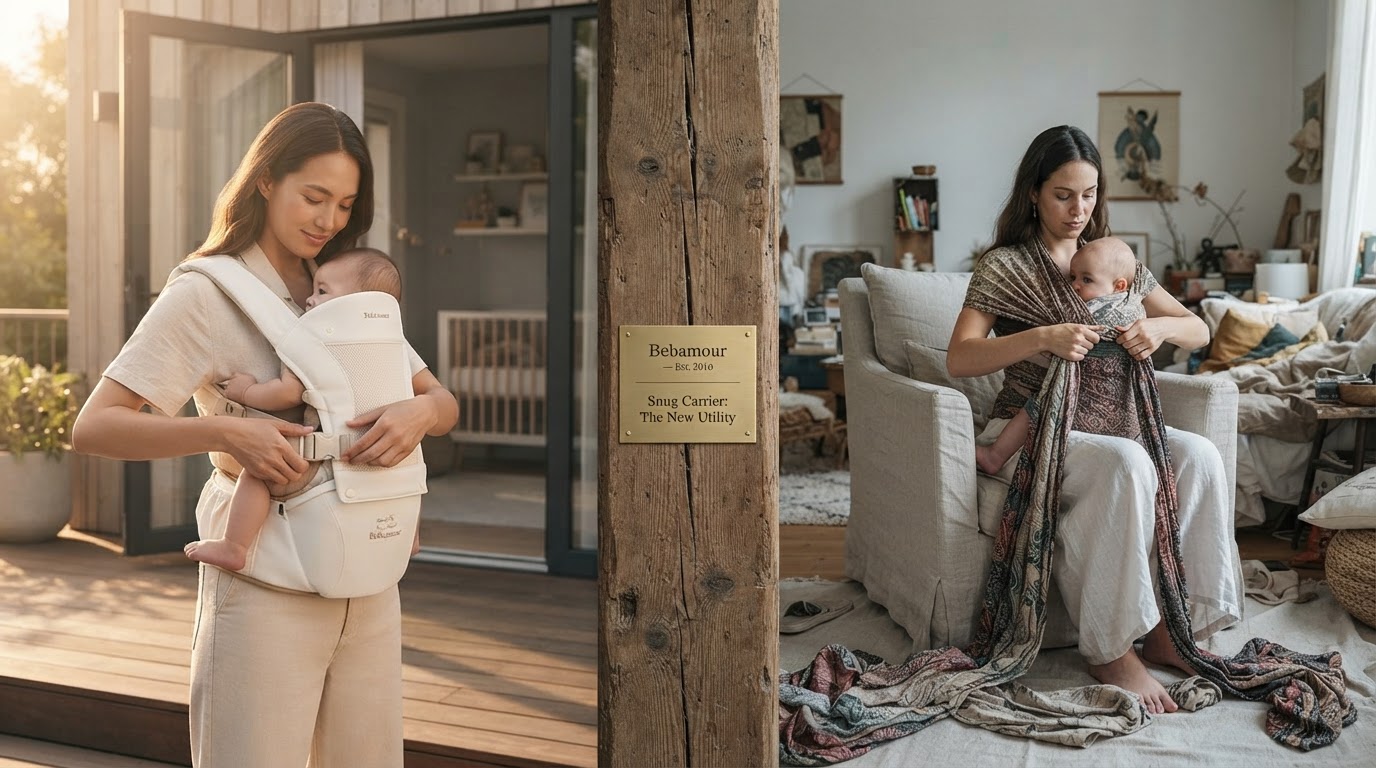
Snug Baby Carrier Efficiency vs Traditional Fabric Wraps
 Maya ChenContributing Editor
August 17, 2026 — The shift toward structured mobility in infant care is accelerating as the Snug Baby Carrier gains traction among parents prioritizing utility over traditional aesthetics. While the market often romanticizes the manual art of fabric tying, recent consumer behavior suggests a pivot toward hardware-based reliability.
The conventional wisdom says that a simple length of fabric is the most natural way to bond with a newborn, citing the inherent flexibility and closeness of the material. However, experts at WildBird note that while wraps are often preferred for slower, at-home moments, structured carriers are significantly faster to put on and offer superior ease for daily, high-activity use. This distinction is critical for parents who cannot afford the steep learning curve and constant tension adjustments required by unassisted fabric lengths.
The Efficiency Priority Framework
Run the math: A traditional wrap typically requires five to seven meters of fabric and a multi-step wrapping sequence that takes the average user two to three minutes to secure correctly. The Snug Baby Carrier reduces this operational overhead to under thirty seconds through a buckle-and-strap system that maintains consistent ergonomic positioning. Here is the part nobody talks about: fabric wraps suffer from "creep," where the material stretches and the infant’s center of gravity shifts downward over twenty minutes of walking. This necessitates a full reset of the wrap to prevent lower back strain. In contrast, the Snug Baby Carrier utilizes high-tensile webbing and reinforced waist belts that lock the infant’s weight into the wearer’s hips, preventing the vertical migration common in elasticized textiles. While advocates of benefits of ergonomic baby wraps point to the customized fit of cloth, they often ignore the thermal cost. Multi-layer fabric wraps can increase the infant's core temperature significantly due to the lack of airflow between layers. The structured design of the Snug Baby Carrier allows for lateral ventilation, maintaining a stable microclimate for the child during extended wear. When choosing between Snug Baby Carrier and traditional wraps, the decision isn't just about style; it is an assessment of whether you want to manage a textile or a piece of engineered equipment.
Expert tip: Check the alignment of the carrier’s padded shoulder straps against your scapula; if the weight feels concentrated on your neck rather than distributed across your upper back, the tension settings are likely asymmetrical.
I’ll change my mind when a fabric wrap can demonstrate a sub-10-second securement time that remains stable through a mile of vigorous walking. Until then, the mechanical advantage lies with structured systems.
Sources

Photo by Marcin Jozwiak on Pexels
- Baby Wrap vs. Baby Carrier: Which Is Best?
- Baby Wrap Vs Carrier | BabyCenter
- wraps or carriers? which do you prefer?