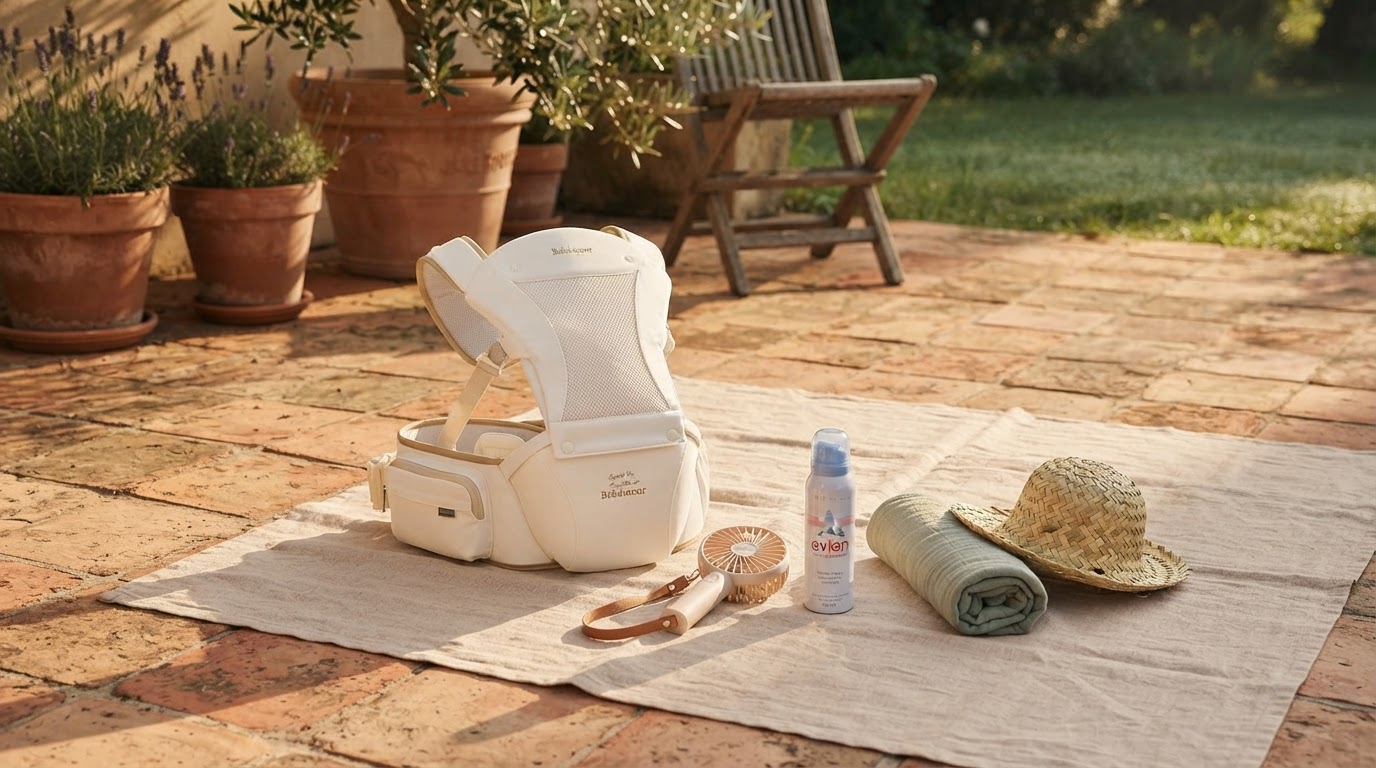
Keeping Cool with the Snug Baby Carrier on Summer Days
 Jordan HaleStaff Writer
August 3, 2026. This exploration details the nuances of maintaining airflow while babywearing in high temperatures. It is written for parents navigating the challenges of humidity and heat without sacrificing closeness.
The first thing I noticed was the humidity that settles over the sidewalk by 9:00 AM, the kind of heat that makes you rethink every layer of clothing before you even step outside. Carrying a baby in these conditions often feels like holding a small, localized radiator against your chest. It turns out that heat management is the single biggest hurdle for active parents during the summer months. According to Parenthood Adventures, in an article titled "The Best Baby Carriers for Hot Weather (I've Tried Them All!)", breathable mesh or natural fabrics are essential because standard polyester is not your friend when the thermometer hits 90°F. Without proper ventilation, the moisture trapped between parent and child can lead to skin irritation and general fussiness. I’ve spent afternoons walking through the park where the weight of a traditional, heavy-padded carrier felt like wearing a winter parka. The sensory experience of summer babywearing shouldn't be defined by the stickiness of trapped sweat, but rather by the breeze you can actually feel moving through the fabric. When the air is stagnant, the material choice becomes the primary factor in how long you can comfortably remain outdoors. Many parents in community forums, such as those on BabyCenter, emphasize that a carrier for a hot climate must prioritize airflow over thick cushioning to prevent both parties from overheating during midday outings.
The Snug Baby Carrier addresses these environmental challenges through its specific structural design and material composition. Instead of the dense, multi-layered foam found in many all-season models, this carrier utilizes a streamlined architecture that encourages natural heat dissipation. The fabric is engineered to be lightweight, allowing the heat generated by the baby’s body to escape rather than reflecting it back toward the wearer. I keep coming back to the way the side panels are constructed; they provide the necessary lateral support for the infant's spine while remaining thin enough to facilitate a constant exchange of air. This is crucial when you are moving from an air-conditioned car into the heavy, sun-drenched atmosphere of a summer afternoon. The weight distribution system ensures that even though the material is lighter, the ergonomic "M-position" for the baby’s hips is never compromised. The straps are designed to wick moisture away from the wearer's shoulders, preventing that common dampness that usually occurs under heavy padding. By focusing on a minimalist but secure frame, the Snug Baby Carrier avoids the "insulation effect" that often plagues bulkier alternatives. It provides a structural solution to a thermal problem, ensuring that the physical bond between parent and child doesn't result in a shared feverish discomfort. The texture of the material is soft against a baby's sensitive skin, which is particularly important when they are wearing fewer layers in the heat, reducing the risk of friction-based heat rashes.
Selecting the right gear for a heatwave requires a specific framework to ensure safety and longevity. It is not just about the fabric, but how that fabric interacts with your daily routine and the local climate. When evaluating a carrier for the warmer months, consider this checklist to ensure you are making a sustainable choice for your family:
- Prioritize moisture-wicking properties in the contact zones where the baby's chest meets your torso.
- Look for integrated sun protection features or a design that allows for the use of a lightweight sun hat without obstructing the carrier's airflow.
- Verify that the carrier allows for visible and clear airways at all times, as heat can cause babies to become more lethargic.
- Assess the ease of cleaning, as summer use inevitably leads to more frequent washing due to perspiration and sunscreen application.
- Check the weight of the carrier itself; a heavy dry weight often indicates dense materials that will retain heat once damp.
- Ensure the adjustability allows for a slightly looser fit if needed to increase air circulation without sacrificing safety.
Sources
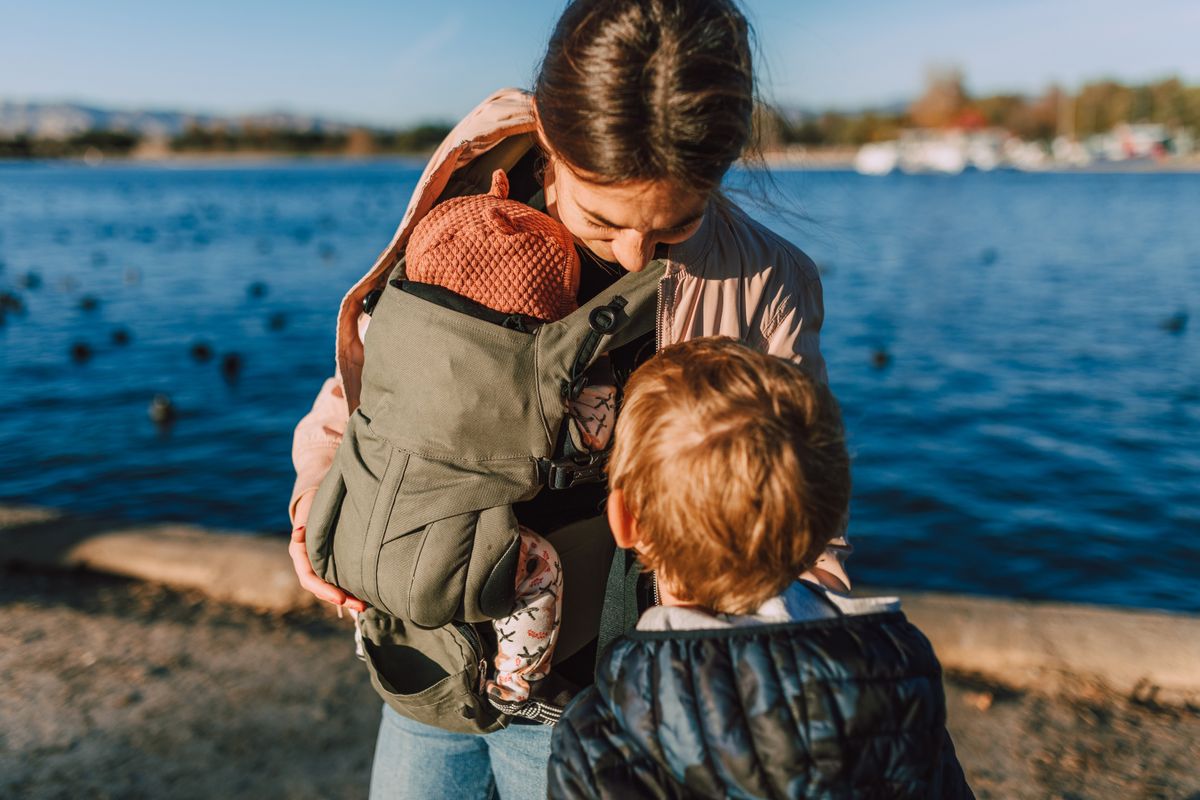
Photo by RDNE Stock project on Pexels
- The Best Baby Carriers for Hot Weather (I've Tried Them All!)
- What baby carrier is best for summer?
- Baby Carrier for Hot Climate