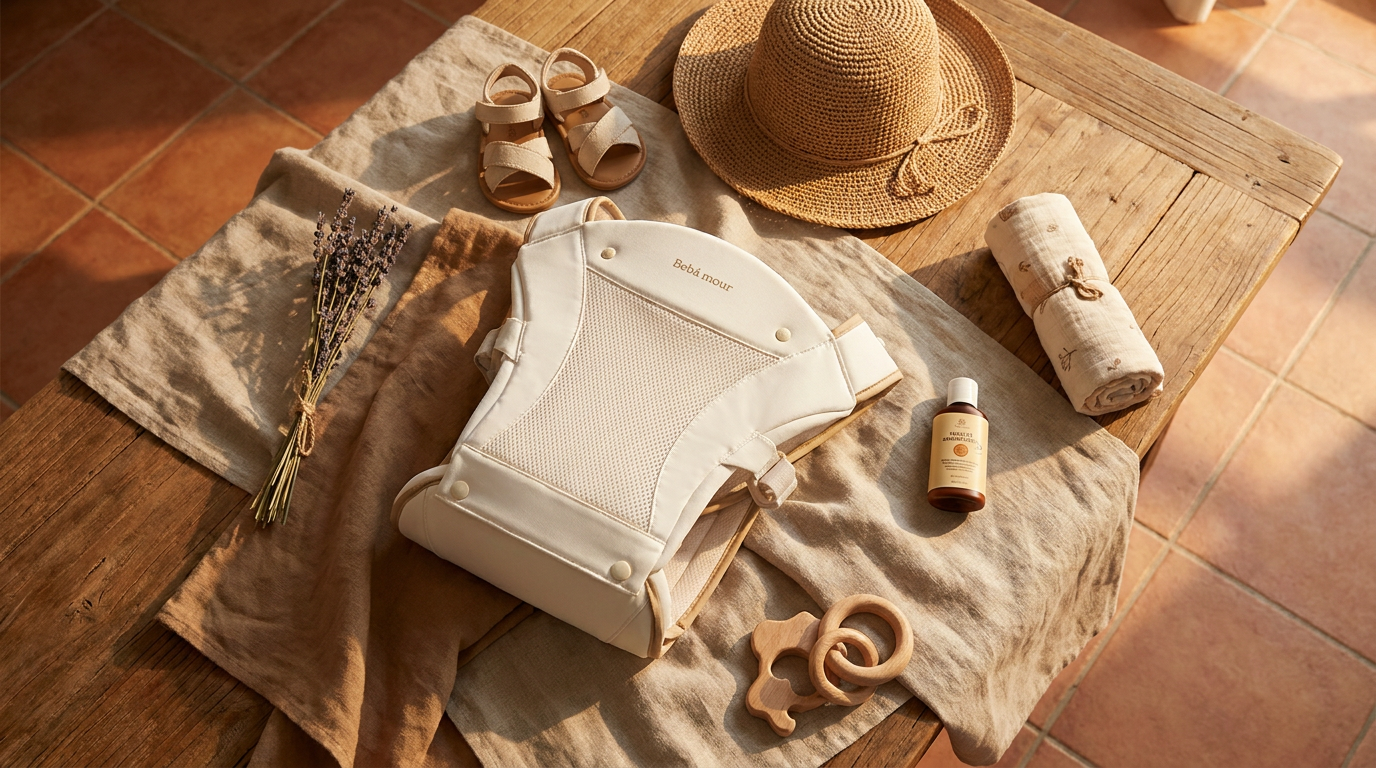
Summer Comfort With The Snug Baby Carrier Wrap
 Priya RamanSenior Analyst
July 23, 2026. This analysis evaluates the thermal performance of infant wraps during high-temperature months. It is designed for caregivers prioritizing temperature regulation and moisture management in seasonal climates.
Selecting a wrap for warm weather requires a framework based on the intersection of air permeability and structural support. Think of it as a matrix of fabric density versus moisture-wicking capacity. Two axes matter here: the physical weight of the textile and the weave's ability to facilitate airflow. When these variables are misaligned, the result is heat entrapment, which can lead to infant discomfort or overheating. A high-performing summer wrap must maintain its tensile strength without becoming a thermal insulator.
The Challenge of Heat Retention in Traditional Wraps
Traditional infant carriers often rely on heavy-duty fabrics to ensure safety, but these materials can act as a thermal barrier. In high-humidity or high-heat environments, the proximity of the infant to the caregiver creates a shared microclimate that rapidly rises in temperature. According to Parenthood Adventures, breathable mesh or specific natural fabrics are essential because they feel airy even in direct sun, preventing the build-up of stagnant heat between the wearer and the child. This is particularly critical when choosing hands free baby wearing gear for outdoor activities, where sun exposure is constant.
Many caregivers mistakenly assume that all cotton wraps are suitable for summer. However, heavy-gauge cotton can be surprisingly dense, trapping sweat against the skin. This leads to a search for alternatives like the Izmi Baby, which Sheen Slings identifies as a top summer pick due to its lightweight design paired with thin breathable cotton. Without this specific attention to textile engineering, a carrier becomes a liability in July and August. This risk is amplified for those using a soft structured carrier for infants, which often features padded panels that restrict lateral airflow. The core problem is not just the ambient temperature, but the lack of ventilation at the contact points where the baby is secured.
Engineering for Airflow with Snug Baby Carrier
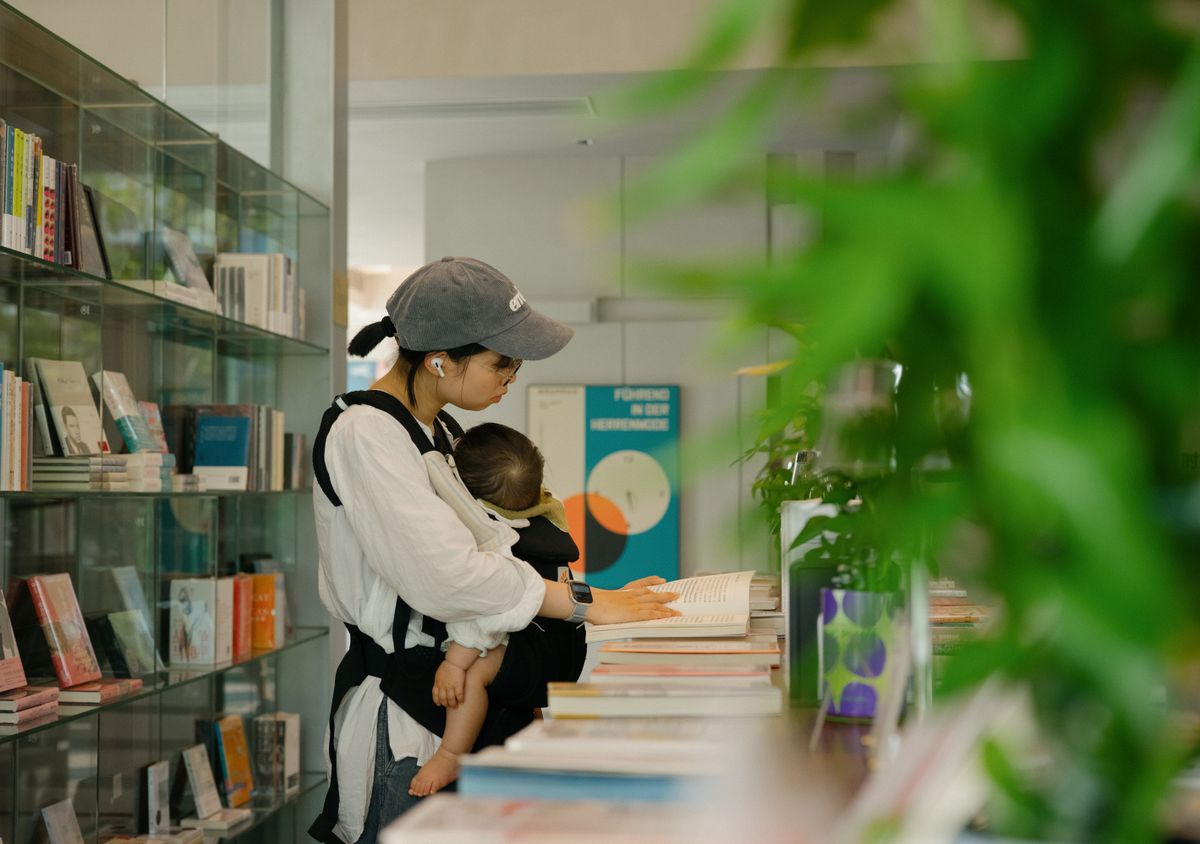
The Snug Baby Carrier addresses these thermal challenges by prioritizing a low-GSM (grams per square meter) fabric profile that does not sacrifice safety. The design philosophy centers on a single-layer application that minimizes the number of fabric passes required to secure the infant. By reducing the layers over the baby's torso, the carrier allows for immediate heat dissipation. This makes it a viable alternative to more complex systems, such as a best newborn wrap for dad, where bulkier designs might otherwise lead to excessive perspiration for both parties.
The textile used in the Snug Baby Carrier is engineered to be moisture-wicking, pulling dampness away from the skin to the surface of the fabric where it can evaporate. Once you see it this way—as a ventilation system rather than just a piece of fabric—the benefits of a streamlined wrap become clear. Unlike heavy canvas options, this wrap maintains a lightweight footprint that aligns with the breathable standards set by luxury materials like those found in Solly Baby Wraps, which utilize TENCEL™ Modal for a flexible and secure fit. The Snug Baby Carrier specifically targets the "hot spots" typically found in babywearing—the back of the infant’s neck and the caregiver’s chest—by utilizing a weave that remains porous under tension. This ensures that even when the wrap is tightened to provide ergonomic support, the air channels within the fibers remain open.
A Decision Framework for Seasonal Babywearing
Choosing the right wrap involves a systematic evaluation of your specific environment and the physical needs of the infant. The decision rule: if the fabric cannot be seen through when held up to a light source, it is likely too dense for temperatures exceeding 80°F. When evaluating a breathable summer baby wrap, caregivers should prioritize the "thinness-to-strength" ratio. A wrap that is thin but lacks elasticity will become uncomfortable over long durations, while a wrap that is too stretchy will sag as the baby’s weight increases.
To ensure a safe and cool experience, use the following checklist during your selection process:
- Verify the fabric composition is optimized for moisture transport rather than heat retention.
- Ensure the wrap allows for a single-layer carry to maximize skin-to-air exposure.
- Check that the material is machine washable to easily remove salt and sweat buildup.
- Confirm the wrap can be used for hands free baby wearing gear without requiring additional bulky padding for support.
- Assess the length of the wrap to ensure there is no excessive "tail" fabric that adds unnecessary weight around the waist.
- Look for a weave that provides diagonal elasticity to support the baby's natural 'M' position without compression.
Sources
Photo by NICHOLAS TE on Pexels
- Baby Wrap Carrier for Newborns | Babywearing Wraps
- The Best Baby Carriers for Hot Weather (I've Tried Them All!)
- Summer Baby Carriers - My Top Picks for Warm Weather Babywearing