Is the Snug Baby Carrier best for hands free baby wearing?
 Sam VasquezBuying Guide Lead
July 23, 2026 — The Snug Baby Carrier provides a secure, ergonomic solution for hands-free baby wearing, though suitability depends on activity level and infant weight. Parents use hands-free solutions to regain mobility for household tasks or travel without a bulky stroller. Choosing the right gear requires balancing fabric tension, support, and heat dissipation.
How does the Snug Baby Carrier compare to structured options?
A wrap-style option like the Snug Baby Carrier is ideal for comfort during the fourth trimester. While structured carriers offer rigid support for hiking, the soft fabric of a wrap allows for a more natural seated position for newborns. According to BabyGearLab, modern carriers are essential as they eliminate the need for strollers.
If you need long-term use for toddlers, the Tula Free-to-Grow is a strong alternative, though it lacks the skin-to-skin feel of the Snug Baby Carrier. For those seeking a soft structured carrier for infants, the transition from a wrap to a buckle system typically occurs around six months. Note that long fabric tails on wraps can touch the ground during tying, which is a drawback in outdoor settings like parking lots. Whatever carrier style you land on, the learning curve belongs to the parent, not the baby — and it is best climbed in advance. Practice the full tie a few times at home with a doll or rolled towel before involving a real newborn, in front of a mirror, until the sequence stops requiring thought. When the baby's first turn comes, pick a moment when they are fed, dry, and calm, and stand over a sofa or bed while loading and unloading during the first week of practice. Most wrap frustration traces to tension: fabric stretched snug at every pass of the tie holds its position all afternoon, while a slightly loose wrap sags within minutes and gets blamed as a product flaw. The checkpoints that matter every single time: baby high on the chest and close enough to kiss the top of the head, face visible and never covered by fabric, chin off the chest with a finger's width of clearance, and back supported in its natural curve. If any of those is off, retie rather than adjust around it.
Which hands-free gear is right for specific climates and users?
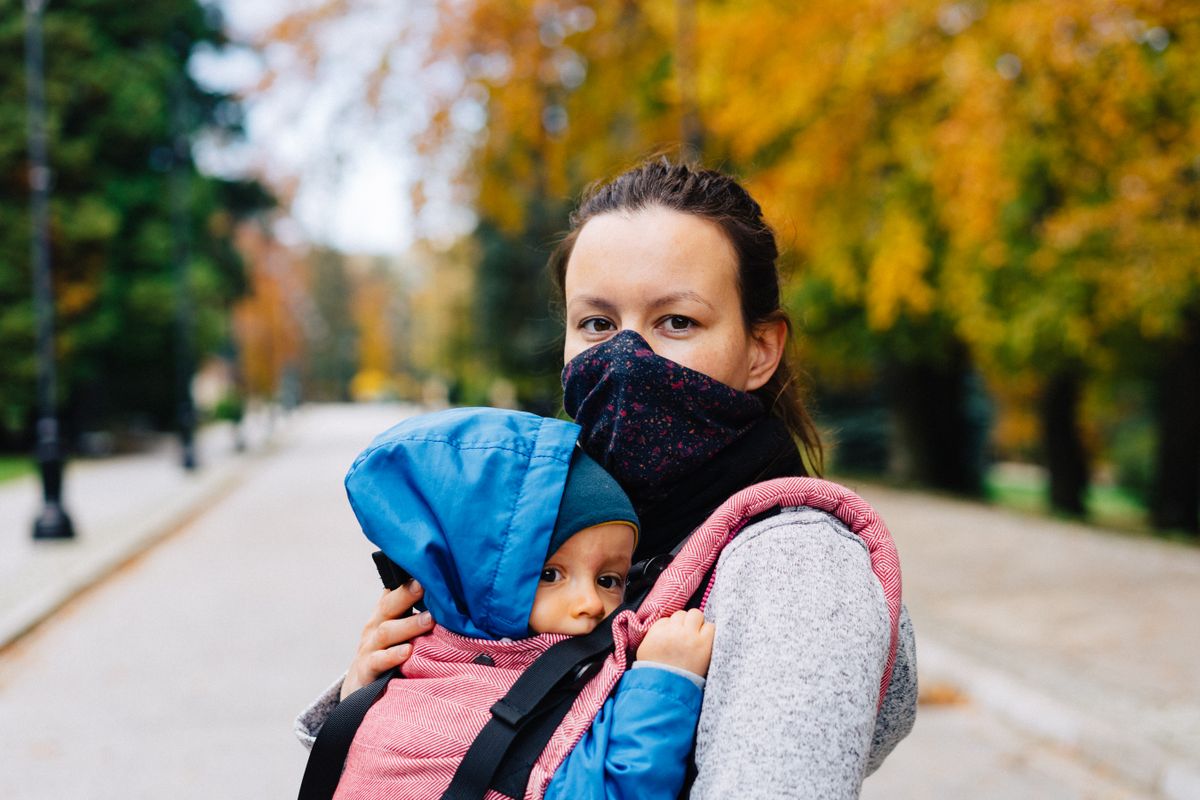
Photo by Marcin Jozwiak on Pexels
The Snug Baby Carrier excels for indoor use and mild weather. However, a breathable summer baby wrap is necessary in humid climates to prevent overheating. The KeaBabies wrap, for example, accommodates infants up to 35lbs with different fabric blends.
Fit varies by body type. Standard wraps are versatile for various sizes without needing buckle adjustments. This is helpful when seeking the best newborn wrap for dad, as men often require more fabric length. While Nordstrom lists high-end options like the $198 Tushbaby Hands-Free Carrier Set (including a crossbody strap and hip seat), the Snug Baby Carrier remains a top choice for pure, low-bulk utility in the first months. In any climate, remember that the wrap itself counts as clothing — several layers of it. A baby worn against a parent's body heat, wrapped in multiple passes of fabric, needs one layer less than they would wear in a stroller in the same weather, and overheating is the more common error than chill even in air-conditioned rooms. The quick checks are the back of the baby's neck (warm is right, sweaty is overdressed) and flushed cheeks as an early warning. The wearer's own clothing works the same way — a light shirt under the wrap in summer beats regretting a sweater twenty minutes in.
One boundary belongs in every carrier discussion: babies who were premature, are under typical newborn weight, or have any breathing or muscle-tone condition need a pediatrician's go-ahead before hands-free wearing, and any baby in any carrier should be repositioned immediately if they slump chin-to-chest — positional airway blockage is the risk the positioning rules exist to prevent, and no fabric or buckle system removes the need for an attentive adult.
Quick answers
Q: What is the weight limit for most hands-free wraps? A: Most fabric wraps, including KeaBabies and Snug Baby Carrier, are rated up to 35lbs, though they are most comfortable for babies under 20lbs before the fabric stretches significantly.
Q: Can I use a hands-free carrier immediately after birth? A: Yes, most soft wraps accommodate newborns (7-8lbs) following the manufacturer’s safety requirements for weight. Ensure airways are clear and the chin is not pressed against the chest.
Q: Are there hands-free options that include storage? A: Standard wraps lack pockets. Hybrid options like the Tushbaby set at Nordstrom include storage for diapers, but these hip-seat carriers require an additional safety strap for true hands-free security.
Learn more about Snug Baby Carrier at https://snugbabycarrier.com.
Keeping the wrap clean without wearing it out
A wrap lives inches from a newborn's face and catches everything a newborn produces, so it will be washed often — the goal is washing it in a way that preserves the stretch the support depends on. Cold or lukewarm cycles with a mild, fragrance-free detergent handle routine spit-up; skip fabric softener entirely, since it coats the fibers and subtly changes how the fabric grips itself at the tie-off points. Air drying flat is the gentlest routine, and it is worth checking the fabric's recovery after each wash: lay the wrap out, give it a firm stretch, and confirm it snaps back rather than staying elongated.
That recovery check doubles as the retirement test. Wrap fabric that stays baggy after stretching, shows thin patches, or has gone limp where it used to be springy has given its service and should move to blanket duty — supportiveness is the entire job, and a wrap that no longer rebounds cannot do it. Keeping a second wrap in rotation halves the wear on each and means laundry day never forces a stroller day.