
The Ultimate Guide on How to Relieve Back Pain From Babywearing
Babywearing provides an intimate bonding experience while keeping your hands free, but many parents struggle with discomfort over time. Learning how to relieve back pain from babywearing involves understanding spine ergonomics, weight distribution, and gear fit.
Understanding Why Babywearing Causes Back Pain
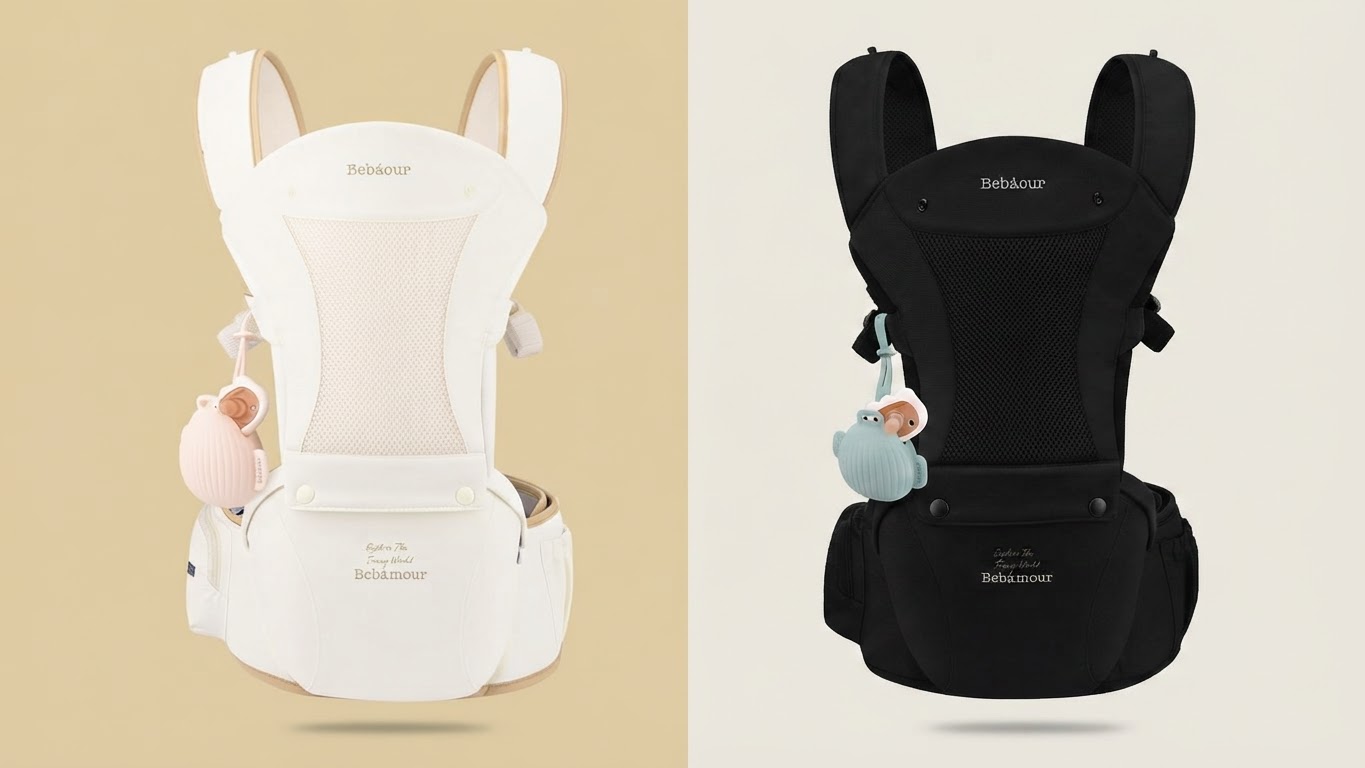
Back pain during babywearing usually stems from poor posture, improper center of gravity, or inadequate support around the hips and lower back. When a baby hangs too low or pulls forward away from your center of balance, your spine counteracts by slumping or arching excessively. This puts unnecessary stress on the lumbar region and upper shoulders. Utilizing ergonomics designed specifically for baby slings and carriers ensures comfort for both parent and child.
Proper Waistband Positioning for Maximum Lumbar Support
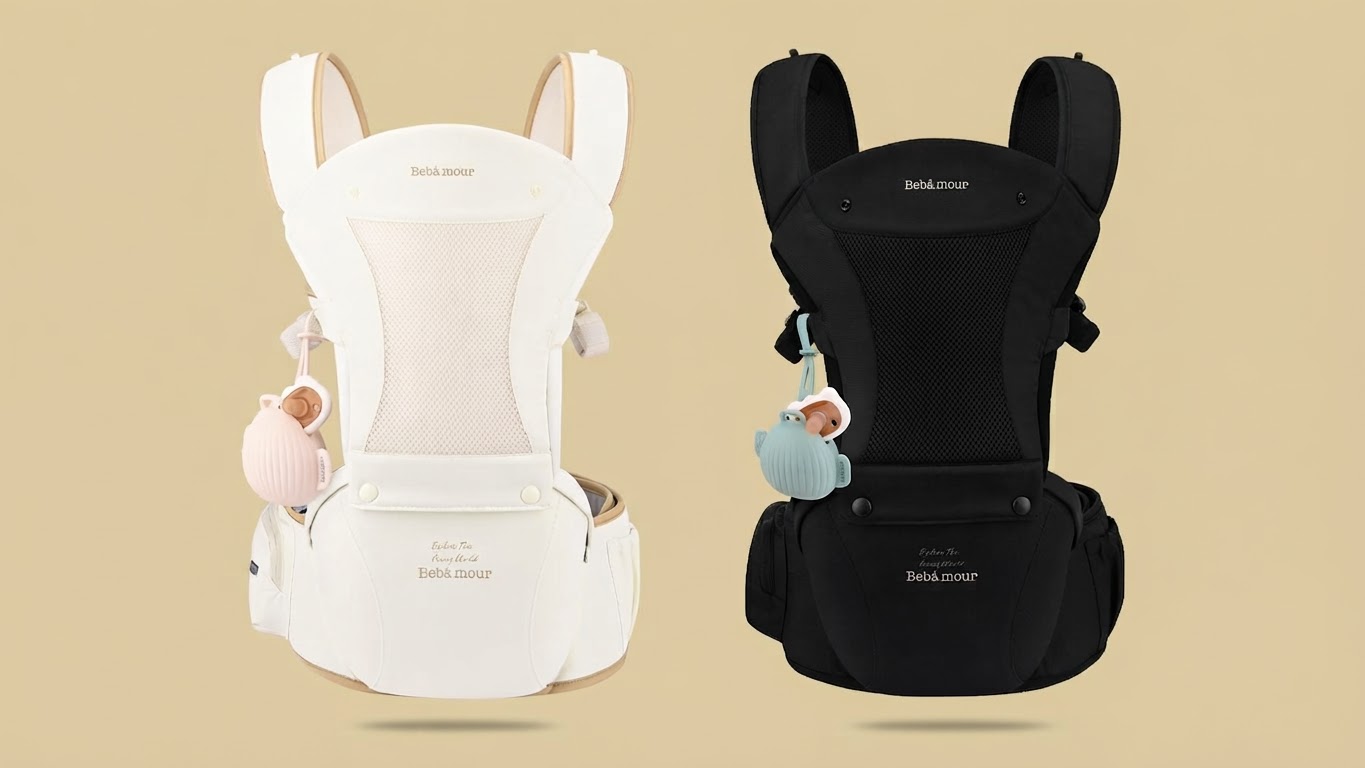
To effectively relieve pressure, the waistband of your carrier must sit securely around your natural waist or upper hips, depending on your body shape. A loose or sagging waistband allows the weight of the child to drag down on your upper back. For tailored comfort across different body sizes, waistbands should offer flexible sizing. For example, the Snug Baby Carrier features a baseline waistband adjusting from 65-118cm (25-46.5") and includes an extender adding an extra 43cm (16 inches) for a total length of 161cm (63.39 inches). This wide adjustability ensures proper lumbar placement for all body types, neutralizing low-back strain.
The Role of Seat Cushion Width in Spine Alignment
A proper seat cushion ensures the baby sits in an ergonomically correct 'M-position' (hips bent, knees slightly higher than bottom). When the seat is too narrow, the baby's legs dangle, shifting their center of gravity outward and forcing your lower back to overcompensate. Different from other styles of widened seat cushions, providing babies with a more comfortable experience allows the child's weight to rest flat against your body. This brings their mass closer to your torso, dramatically easing upper and lower back fatigue.Adjusting Straps and Distribution for Daily Comfort
Equal weight distribution across the back and shoulders is vital. Ensure shoulder straps are pulled snug but not restrictive. Quick access to daily essentials is also important to prevent sudden twisting or stooping. Using an integrated side pocket to keep small items handy prevents awkward bending when carrying your baby. Furthermore, understanding the physical requirements of your carrier, such as its max weight limit of lightweight, helps ensure you do not overload your spine beyond recommended guidelines.Maintaining Hygiene and Gear Without Straining Your Body
Keeping your carrier clean should not involve heavy physical strain or frequent full-garment washing routines. Instead of cleaning your entire carrier repeatedly, you can wash the accessories, such as the drool and teething pad. This practical maintenance approach keeps gear fresh with minimal effort, allowing you to focus on safe, comfortable babywearing sessions made from quality 100% Cotton constructed to endure daily wear.
Related in this cluster
- Why Does Babywearing Cause Back Pain? 4 Ergonomic Root Causes
- How to Properly Adjust Your Baby Carrier Waistband for Lumbar Support
- Widened Seat Cushions vs. Standard Baby Carriers: Back Pain Comparison
- 5 Key Features of the Snug Baby Carrier That Prevent Shoulder & Back Strain
- Solving Lumbar Strain for Plus-Size Babywearing Parents
- Babywearing Back Pain Relief FAQ: Safety, Fit, and Maintenance