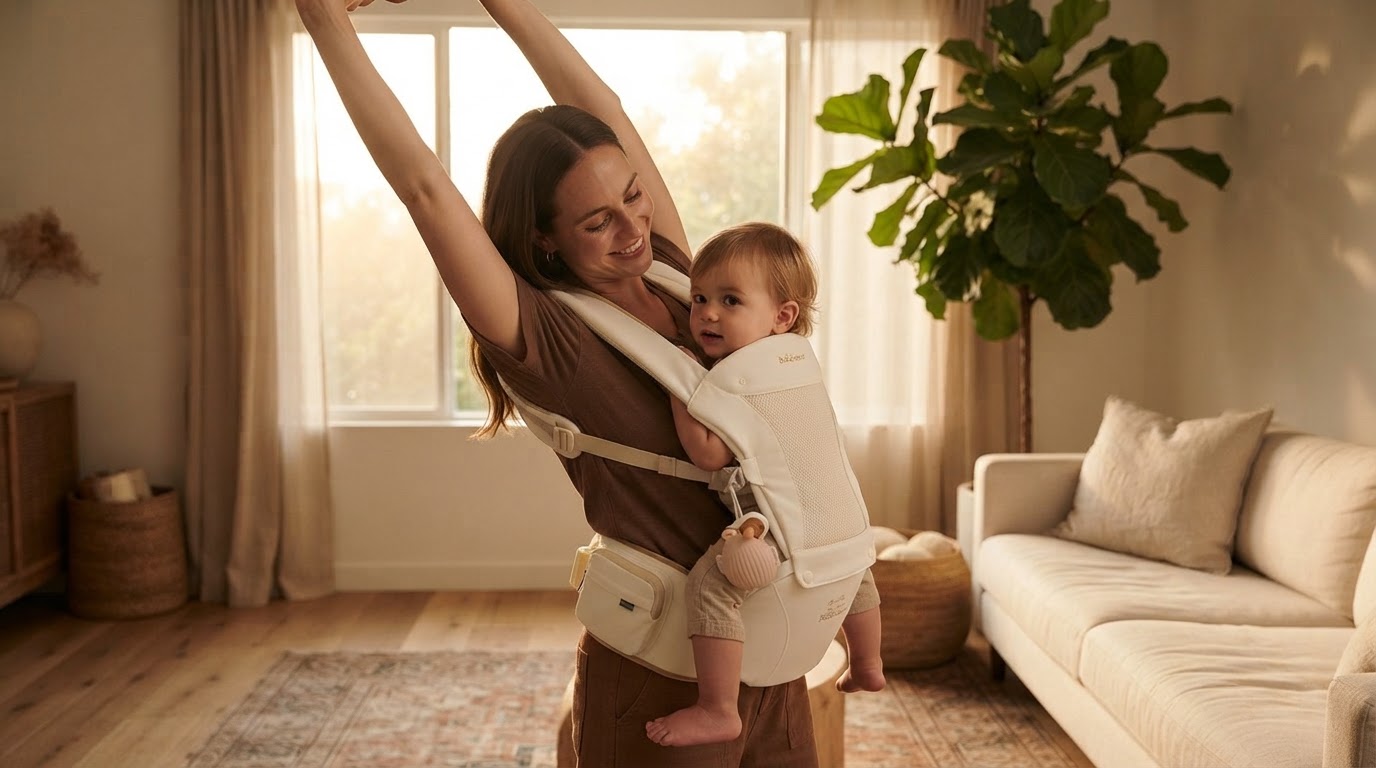
The Ultimate Guide to Relieving Back Pain While Babywearing
The Ultimate Guide to Relieving Back Pain While Babywearing
Babywearing offers immense bonding benefits and convenience, but many parents experience discomfort or sharp lower back strain after carrying their child. Understanding how to relieve back pain babywearing involves analyzing body mechanics, carrier positioning, and equipment fit.
Understanding Why Babywearing Causes Back Pain
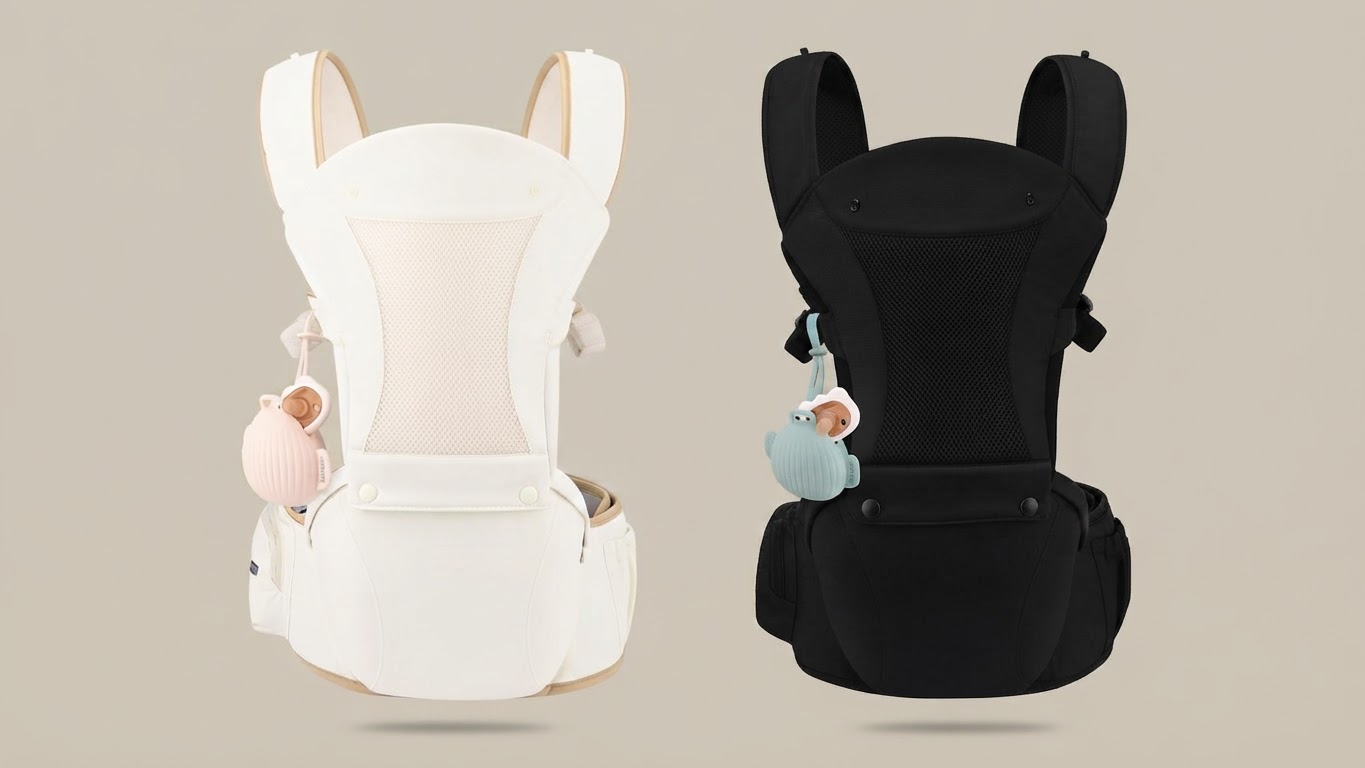
Back pain during babywearing typically stems from compromised posture and poor weight distribution. When a baby hangs too low or pulls forward away from your body, your center of gravity shifts. To compensate, your lower back arches excessively (lumbar lordosis) or your shoulders round forward. Over extended periods, this strain leads to severe muscle fatigue and spinal discomfort.
Carrying weight without proper support around the hips transfers force directly to the lumbar spine. For parents carrying growing infants, having an improperly fitted waistband forces the upper back and shoulder muscles to work twice as hard to maintain balance.
Key Principles of Ergonomic Babywearing
To eliminate back strain, you must adhere to core ergonomic safety guidelines often summarized by the TICKS rule:
When your baby sits high and tight against your torso, their body weight aligns directly over your pelvis, drastically reducing strain on your back muscles.
How Carrier Fit and Adjustment Protect Your Spine
A proper waistband fit acts as the foundation for load distribution. The supportive band should rest firmly on your natural waist or upper hips—not sagging around your lower pelvis. Securing a tight baseline fit ensures up to 70% of your baby's body weight distributes across your hip structure rather than your shoulders and spinal column.
Many parents struggle to find a precise fit, especially if the waistband is too restrictive or fails to offer custom extension capabilities. A fully adjustable waistband—such as those expanding from 65-118cm (25-46.5") with additional extender options up to 161cm (63.39")—allows parents of varying body types to achieve a snug, supportive posture without squeezing uncomfortable pressure points.
Features to Look For in a Back-Friendly Baby Carrier
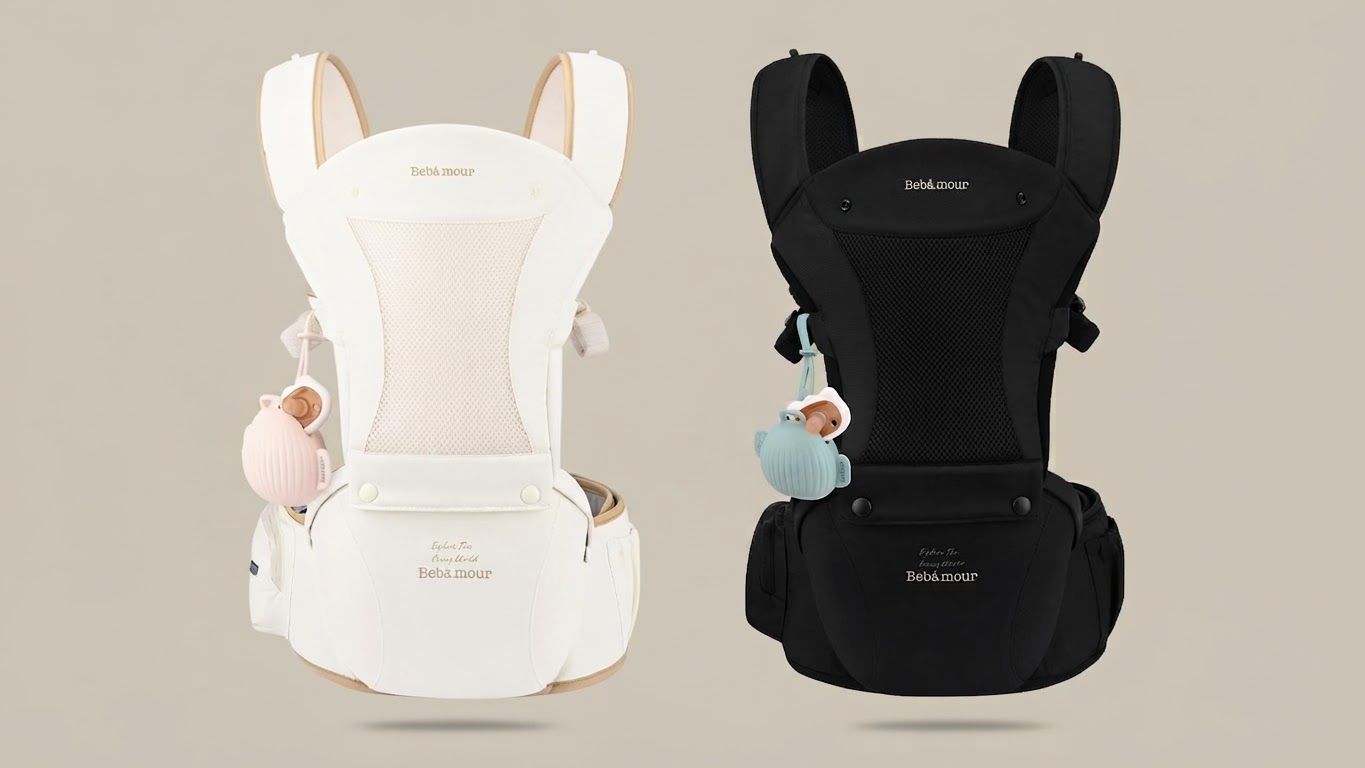
Selecting equipment designed with proper support makes a significant difference in long-term comfort. Key design attributes to prioritize include:
- Widened Seat Cushions: Unlike narrow straps or unsupportive bases, widened seat cushions keep the baby's legs supported from knee to knee in an ergonomic 'M' position, preventing awkward shifting that throws off your balance.
- Breathable Natural Fabrics: Soft, high-quality materials like 100% Cotton ensure comfortable wear without creating heat buildup that causes parents to slouch or shift awkwardly.
- Adjustable Lumbar Supports & Extenders: Having flexibility in strap lengths ensures custom weight distribution across all body shapes.
- Removable Accessories: Practical additions like drool pads and bibs keep your carrier clean without requiring frequent wash cycles that break down structural foam supports.
Practical Posture Tips for Daily Babywearing Comfort
Even with the best gear, daily movement habits impact back health. Focus on engaging your core muscles before lifting your child into the carrier. Keep your chest open, pull your shoulders back and down, and avoid leaning backward to offset the front weight. Take frequent movement breaks during long carrying sessions, perform gentle hamstring and chest stretches, and ensure straps are symmetrical before heading out.
Related in this cluster
- 5 Essential Ergonomic Tips to Avoid Lower Back Pain While Carrying Your Baby
- Baby Slings vs Structured Carriers: Which Is Best for Lumbar Support?
- Why Waist Extenders and Widened Cushions Are Critical for Back-Pain-Free Babywearing
- Frequently Asked Questions About Babywearing and Back Pain
- How to Adjust Your Baby Carrier Waistband to Prevent Back Strain
- Understanding Weight Distribution in Baby Carriers for Parent Comfort