Baby Slings vs Structured Carriers: Which Is Best for Lumbar Support?
Choosing between a fabric sling and a structured baby carrier often comes down to personal comfort, but for parents prone to back pain, lumbar support is the decisive factor. Understanding how each style shifts load across your body is essential for long-term comfort. For additional background on alignment strategies, review the main guide.
Comparing Support Structures: Slings vs Structured Carriers
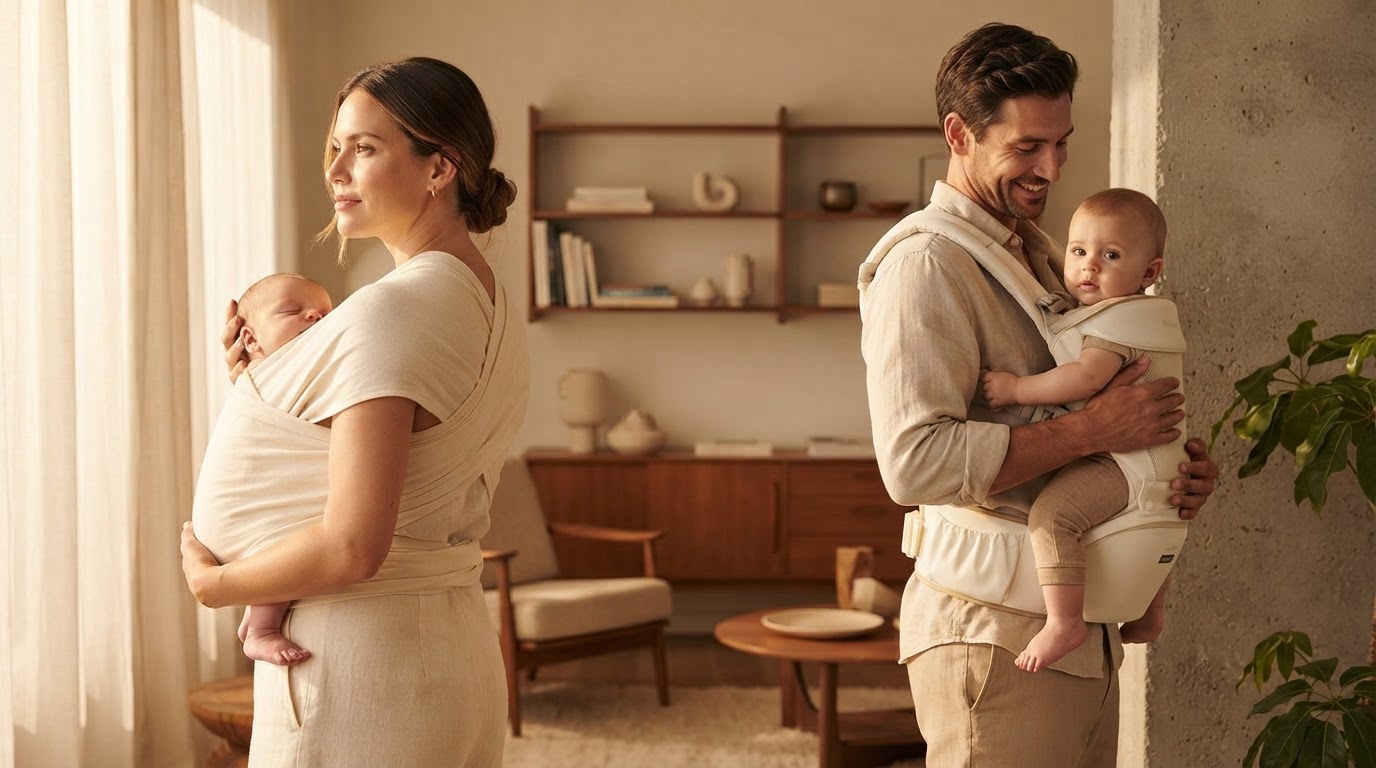
Baby slings are crafted from continuous pieces of fabric wrapped around the torso. While slings excel at cozy, lightweight newborn cuddling, they often distribute weight asymmetry over a single shoulder or across the upper torso without dedicated structural hip support.
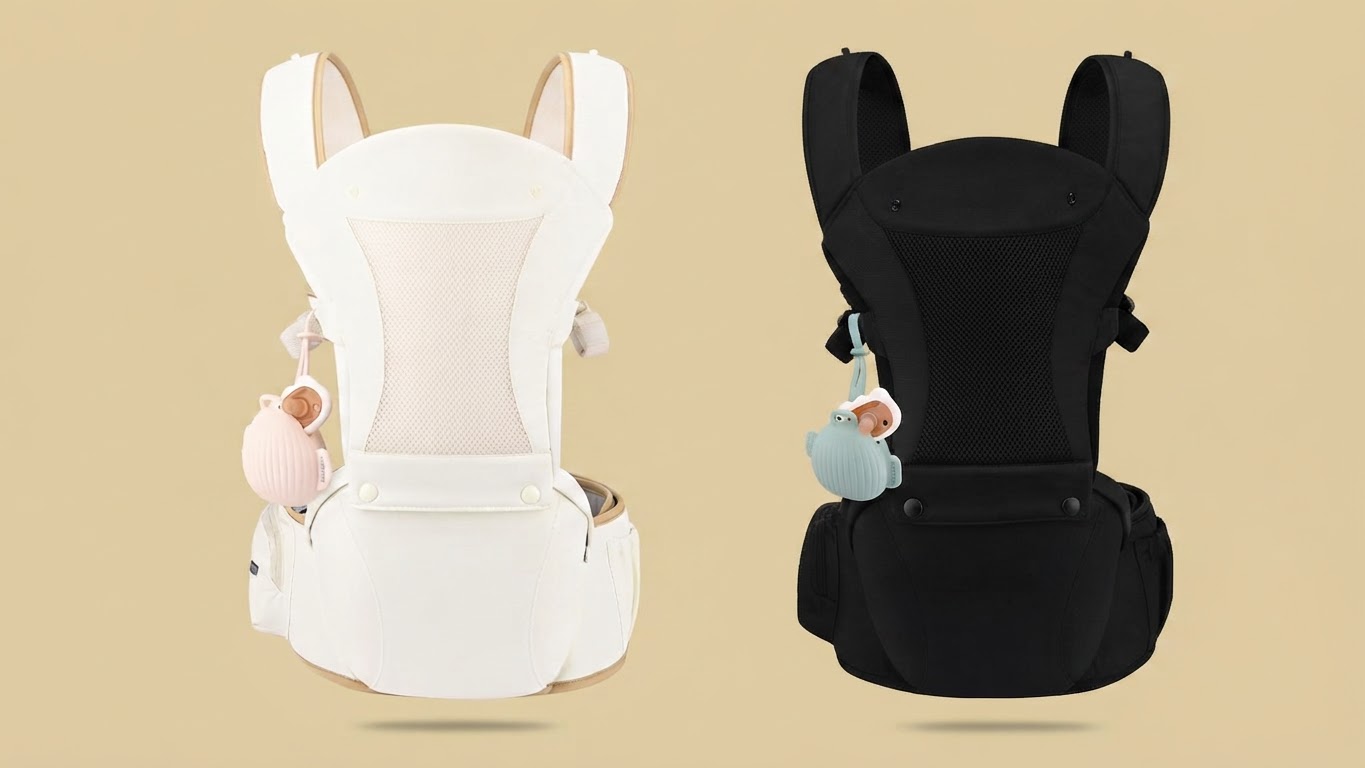
Structured baby carriers utilize reinforced waistbands, padded shoulder straps, and targeted seating areas. By relying on heavy-duty buckles and firm waistband structures, structured carriers transfer weight off the delicate shoulder joints directly onto the pelvic structure.
Lumbar Strain Analysis: Weight Distribution and Mechanics
Because baby slings lack a rigid supportive waistband, your spinal muscles continuously contract to keep your torso upright as your baby grows. This lack of centralized load distribution frequently leads to lower back tension after 20-30 minutes of continuous wear.
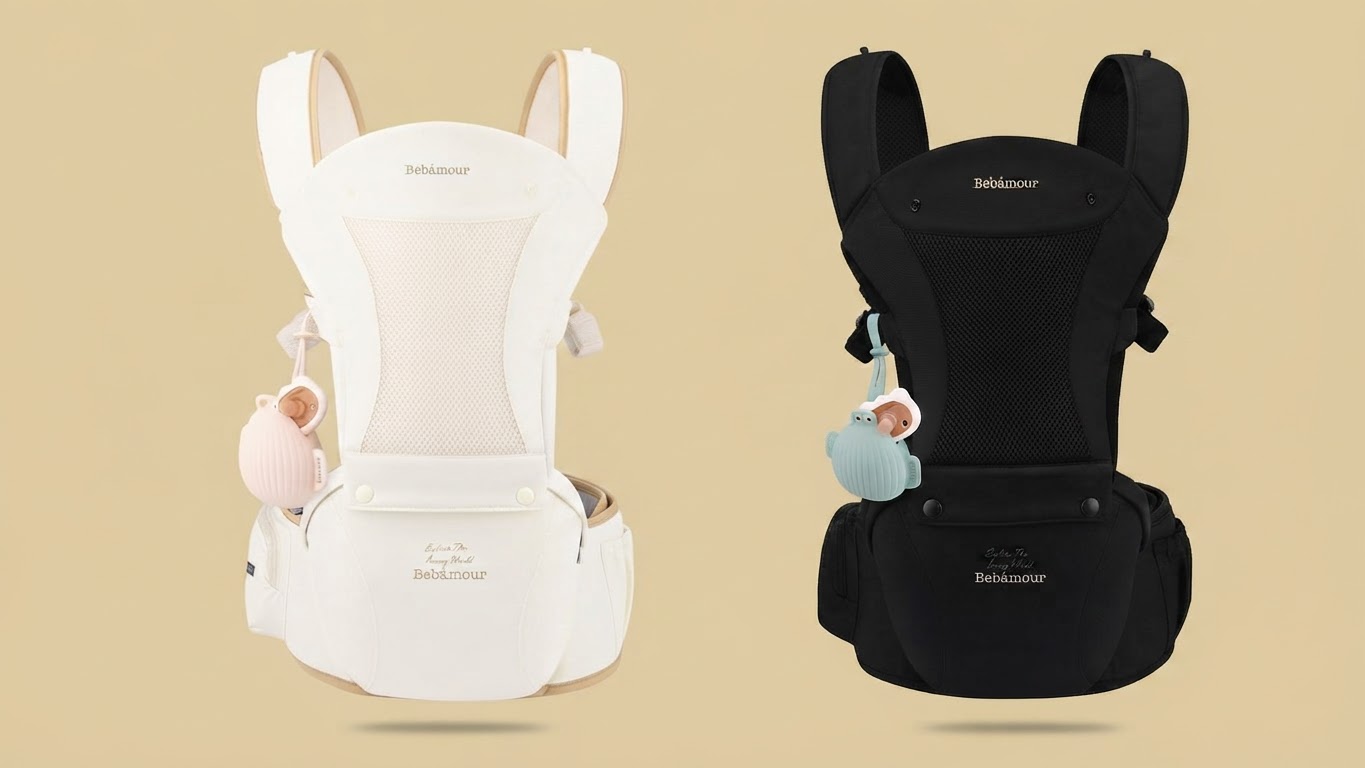
In contrast, a structured design equipped with widened seat cushions holds your baby securely in place. The widened cushion ensures your child remains balanced over your center of gravity, preventing pelvic tilt and minimizing lumbar pressure.
Adjustability and Custom Fit Options
Slings depend heavily on fabric wrapping technique, which can stretch out over time or loosen under weight. Structured carriers feature precise mechanical webbing adjustments. For example, systems providing a base waistband of 65-118cm (25-46.5") along with an additional 43cm (16") waistband extender ensure parents can easily fine-tune support across different clothing layers or body sizes.
Verdict: Which Carrier Type Prevents Back Pain?
While soft slings are convenient for short indoor tasks with lightweight infants, structured carriers provide superior lumbar support for active parents seeking to eliminate back fatigue during daily wear.
Read the full guide: The Ultimate Guide to Relieving Back Pain While Babywearing